
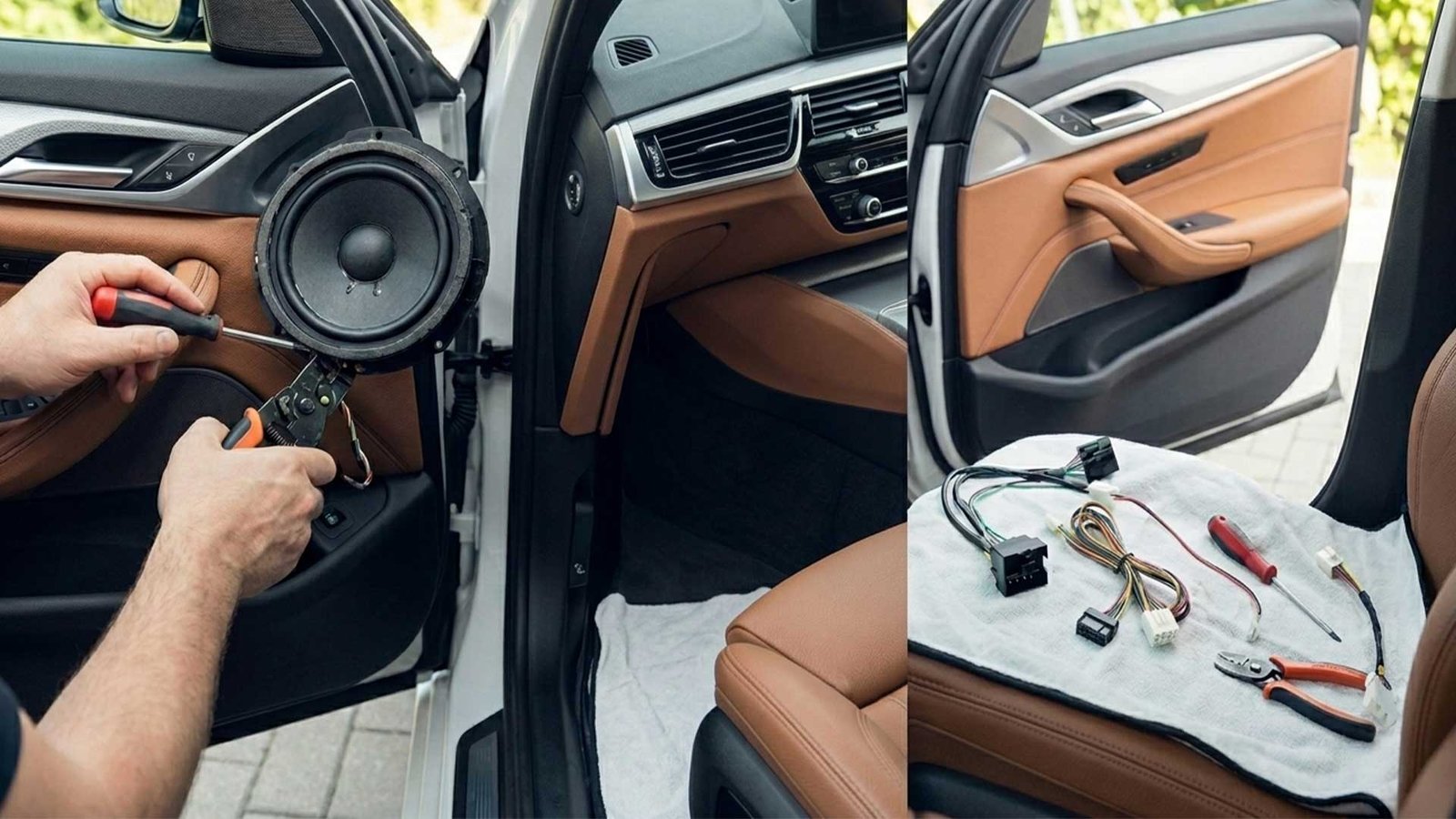
Upgrading your car audio system can transform every drive — whether it’s your daily commute or a long road trip. Instead of tolerating flat, tinny sound from an underpowered factory stereo, a thoughtful upgrade can deliver clarity, impact, and immersion that bring your music to life. In this guide, we’ll walk you through practical tips and techniques for upgrading your car audio system — from understanding key components to choosing the right gear and making the most out of your budget.
Along the way, we’ll mention how Phonix’s high‑quality audio components and expertise can support exceptional sound performance in your vehicle.
Why Upgrade Your Car Audio System?
Your factory audio system — the sound setup that came installed in your vehicle from the manufacturer — is often designed with cost, space, and simplicity in mind. While these systems get the job done, they typically lack the power, fidelity, and flexibility of aftermarket gear. Upgrading your audio system can:
- Deliver clearer sound with deeper bass and richer highs
- Provide modern features like Bluetooth, Apple CarPlay, and custom EQ controls
- Reduce distortion and fatigue at higher volumes
- Personalize your listening experience based on music type and preferences
Core Components of a Car Audio System
Before diving into specific upgrades, it helps to understand the major building blocks of your sound system:
Head Unit (Source)
The head unit — also called the receiver — is the brain of your audio system. It handles audio playback, control interfaces, and connectivity. Most factory head units have limited power and features compared with aftermarket options.
Speakers
Speakers convert electrical signals into sound waves. Stock speakers often use basic materials and design, which can result in muddled sound and limited frequency response. Upgrading to quality aftermarket speakers makes one of the most noticeable improvements.
Amplifier
An amplifier boosts the power delivered to your speakers, eliminating distortion and unlocking dynamic range far beyond what a stock head unit can provide on its own.
Subwoofer
Subwoofers are dedicated to reproducing low frequencies — the deep bass that gives music presence and impact. Adding a subwoofer can dramatically enhance your system’s fullness.
Wiring and Sound Treatment
Good quality wiring and proper soundproofing materials ensure that clean, stable power and signal reach your components. This foundation is often overlooked but essential for best results.
Step‑by‑Step Tips for Upgrading Your System
Follow these steps to build a better car audio system without getting overwhelmed or over budget.
1. Start With Your Goals and Budget
Before you spend a dime, take a moment to define what you want out of your audio upgrade:
What to Consider
- Do you want clearer vocals and instruments, or more bass and punch?
- Is modern connectivity (like Bluetooth and CarPlay) important to you?
- Are you looking for high‑fidelity sound or just a noticeable improvement?
- What’s your budget range for upgrades?
Knowing your priorities helps you pick the right upgrades first. For example, if you mainly want better overall sound, upgrading your speakers and head unit will give you more noticeable gains than adding a subwoofer alone.
2. Upgrade Your Head Unit
Upgrading your head unit is one of the most transformative early steps you can take. Most factory radios are limited in power and functionality. A quality aftermarket head unit can bring:
- Bluetooth, USB, Android Auto, and Apple CarPlay connectivity
- Advanced audio controls and tuning options
- Higher‑quality signal output (which amplifiers and DSPs can take advantage of)
Tips for Choosing a Head Unit
- Look for units with high preamp voltage — this means cleaner, more dynamic sound.
- Prioritize features you’ll use often, like connectivity for your phone.
- Ensure compatibility with your vehicle’s dash and wiring harness.
Even a mid‑range head unit today often outperforms many factory systems from a few years ago.
3. Swap Out the Factory Speakers
Factory speakers are often built to be “good enough” — not “great.” Replacing them is one of the simplest ways to elevate your sound. High‑quality aftermarket speakers can provide:
- Clearer mids and highs
- Tighter, more accurate bass response
- Improved efficiency and sensitivity
Component vs. Coaxial Speakers
- Coaxial speakers are easier to install and combine tweeters and woofers in a single unit.
- Component speakers separate the tweeter and woofer, usually delivering a clearer, more refined soundstage.
Pair your new speakers with quality speaker grilles and adapters to handle fitment and keep installation clean.
4. Add an Amplifier for Power
Even the best aftermarket speakers need power to perform. Factory stereos typically supply limited power (often under 20 watts per channel), which can lead to distortion at higher volume levels. Adding an external amplifier:
- Pushes more clean power to speakers
- Improves dynamics and clarity
- Allows your system to play louder without distortion
Amplifier Tips
- Match your amplifier’s output with your speaker’s power handling capabilities.
- Consider a multi‑channel amp if you’re powering multiple sets of speakers.
- Use high‑quality amplifier wiring kits to ensure safe and stable installation.
5. Experience Real Bass With a Subwoofer
A subwoofer brings depth and richness to music that traditional speakers can’t reproduce. Adding a subwoofer can make your favorite songs feel more complete.
Subwoofer Options
- Powered subwoofers (with built‑in amplifiers) are easy to install and compact.
- Separate subwoofer + external amp setups offer more power and tuning options.
Enclosure Matters
Subwoofers perform best when placed in an appropriate enclosure. Choose sealed boxes for tighter, more accurate bass or ported boxes for louder low end.
6. Enhance Sound With DSP and EQ
A Digital Signal Processor (DSP) allows precise control over the sound in your car by adjusting frequency response, time alignment, and crossovers. A DSP can make everything in your system sound more cohesive — especially in challenging acoustic environments like cars.
How DSP Helps
- Balances speaker output across frequency ranges
- Time‑aligns audio so sound reaches your ears at the right moment
- Optimizes system performance for your specific vehicle’s acoustics
Some high‑end head units include built‑in DSP features, but dedicated units provide the most control.
7. Don’t Neglect Quality Wiring and Grounding
A good audio system isn’t just about components — power and signal delivery matter too. Crappy wiring can introduce noise, distortion, and unreliable performance.
Wiring Tips
- Use quality RCA cables, speaker wire, and power cables
- Ensure proper grounding to avoid buzzing and interference
- Protect wiring with cable loom and secure routes through the vehicle
Proper wiring not only protects your gear but also improves overall sound performance.
8. Consider Sound Deadening
Sound deadening materials like foam or damping mats can make a significant difference — especially if road noise is cutting into your listening experience. Reducing external noise allows your upgraded audio system to shine louder and cleaner without pushing volume too far.
Where to Apply Deadening
- Door panels
- Floorboards
- Rear deck
- Trunk area
This simple step improves bass definition and reduces vibration that can muddy your sound.
9. Decide Between DIY and Professional Install
Upgrading your audio system can be done as a DIY project — especially for basic speaker and head unit swaps. But as systems get more complex (amplifiers, DSPs, subwoofers, custom enclosures), professional installation may be worth the investment.
DIY Pros
- Lower cost
- Satisfaction of hands‑on work
Professional Pros
- Clean harness integration
- Custom tuning
- Avoid wiring and installation mistakes
If in doubt, many installers offer consultation services so you can plan your upgrade before committing.
10. Maintain and Tune Your System
Once installed, your audio system still benefits from fine‑tuning:
- Adjust amplifier gain and crossover points
- Balance left/right and front/rear speaker levels
- Regularly check connections and wiring for corrosion
Proper tuning ensures each component performs optimally and your system lasts.
11. Why Quality Components Matter
Not all audio gear is created equal. Quality components — like those from Phonix — are engineered for clarity, durability, and real‑world performance. Whether you’re choosing coaxial speakers for everyday use or advanced components for deeper sound, investing in better parts pays off in reliability and satisfaction.
Phonix combines precision engineering with performance‑driven designs, giving you gear that stands up to daily use and delivers sound you’ll actually enjoy behind the wheel. By choosing products built for strength, performance, and musical detail, you ensure your upgrade achieves the results you expect.
Final Thoughts
Upgrading your car audio system doesn’t have to be daunting. By breaking the process down into manageable steps — starting with goals, prioritizing key components, and investing in quality gear like Phonix’s solutions — you can create a system that fits your needs and budget.
Remember: clarity and balance matter more than sheer volume. With the right upgrades and careful installation, every drive can feel more immersive, enjoyable, and personalized to your unique taste.
FAQ
- Q: What are the first steps to upgrade a car audio system?
A: Start by defining your goals and budget, then prioritize key components like the head unit and speakers. - Q: Should I replace factory speakers or add an amplifier first?
A: Upgrading speakers usually provides the most noticeable improvement first, followed by adding an amplifier for power and clarity. - Q: What’s the difference between coaxial and component speakers?
A: Coaxial speakers combine tweeters and woofers in one unit for easy installation, while component speakers separate them for clearer sound. - Q: How does a subwoofer enhance a car audio system?
A: A subwoofer reproduces low frequencies, delivering deeper, fuller bass and adding richness to your music. - Q: Is professional installation necessary for car audio upgrades?
A: Simple swaps can be DIY, but complex systems with amps, subwoofers, and DSPs often benefit from professional installation. - Q: How can Phonix components improve my car audio upgrade?
A: Phonix products offer high-quality, durable, and performance-driven speakers, amplifiers, and subs that ensure clear, immersive sound.