
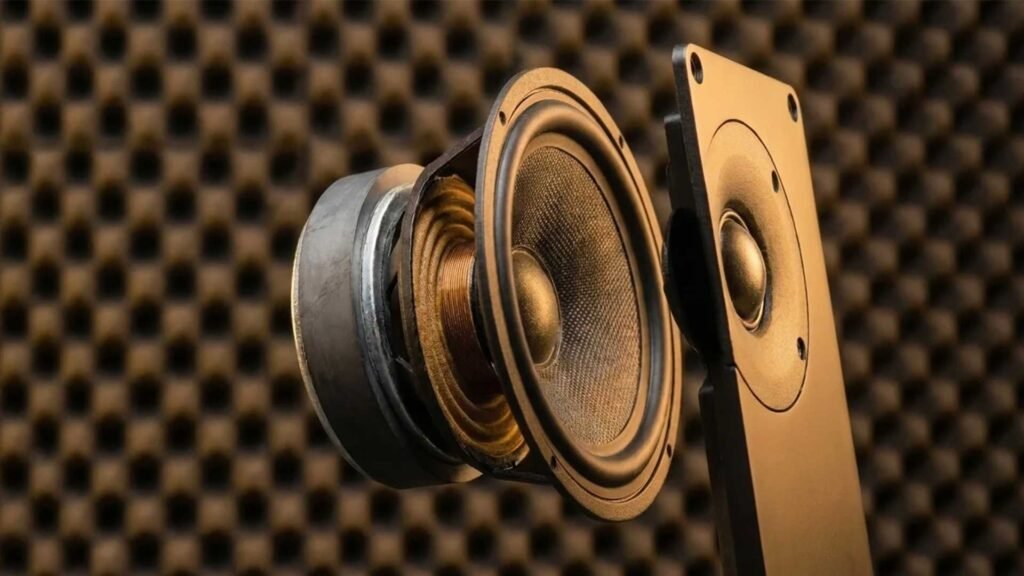
In today’s audio world, not all speakers are created equal. Whether you’re listening to jazz, rock, podcasts, or watching movies, two qualities matter most: clarity — how clean and intelligible the sound is — and power — how strong, dynamic, and immersive it feels. But what exactly makes a speaker deliver excellent sound that is both clear and powerful? This article dives deep into the science, design principles, and real-world practices behind high‑quality speaker performance. Along the way, we’ll also take a closer look at how industry innovators like Phonix approach these challenges in their cutting‑edge designs.
Understanding What “Clarity” and “Power” Really Mean
Before we explore specific technologies and design choices, it’s important to define the two key concepts in speaker performance:
- Sound Clarity: This refers to how accurately and cleanly a speaker reproduces audio — without distortion, muddiness, or masking effects. Clear sound allows you to distinguish every instrument, vocal nuance, and sonic detail.
- Sound Power: This is about dynamics, impact, and presence. A powerful speaker delivers strong bass, detailed mids, and crisp highs that can fill a room without strain or compression.
Great audio performance is not just loud sound; it’s balanced loudness with definition — where dynamics and fidelity work together seamlessly.
Core Technical Foundations of Clear and Powerful Sound
To build a speaker that excels in clarity and power, several technical foundations must be considered. These interact with one another to shape the listener’s perception and overall performance.
Frequency Response — The Heart of Accurate Sound
Every listener’s journey begins with the frequency response of a speaker — the range of sound frequencies it can reproduce and how evenly it does so. A truly good speaker should cover the audible spectrum (typically 20 Hz to 20 kHz) with minimal deviation, so low bass, rich midrange, and crisp high frequencies all come through with fidelity — this ensures clarity across the board.
Why Balanced Frequency Matters
- Bass (Low Frequencies): Adds punch and impact — but uncontrolled bass can muddy clarity.
- Midrange: Carries most vocals and instrument cues. A balanced midrange directly influences intelligibility.
- Treble (High Frequencies): Offers sparkle and air, but overly bright treble can sound harsh.
A high‑fidelity speaker is designed to avoid emphasis on any one range at the expense of others, creating what designers call a neutral or flat response tailored for musical balance.
Drivers and Materials — The Engines of Sound
The individual components that convert electrical signals into sound — known as drivers — are essential. High‑quality drivers are engineered to move air efficiently and accurately, which builds both clarity and power.
Different Driver Types
- Tweeters: Handle high frequencies. Materials like silk, metal alloys, or exotic composites offer different textures and clarity levels.
- Midrange Drivers: Focus on vocals and instruments. Their design determines tonal accuracy.
- Woofers: Cover low end. Strong magnetic assemblies and robust cone materials ensure impactful bass.
Material Impact
Lightweight but rigid materials allow drivers to respond quickly and precisely without distortion. This responsiveness is what lets a speaker reproduce subtle details (clarity) and transient energy (power) accurately.
Crossovers — Seamless Frequency Transitions
In multi‑driver speakers, a crossover network directs different frequency bands to the correct drivers. High‑precision crossovers ensure smooth handoffs between drivers so that each frequency range works in harmony without overlap, gaps, or distortion.
A poorly designed crossover often leads to uneven sound or noticeable artifacts, reducing clarity and coherence.
Enclosure Design — More Than Just a Box
Many people underestimate the role of the speaker cabinet — but it’s crucial. The enclosure serves as the structural foundation that allows drivers to perform optimally.
Rigidity and Resonance Control
A good speaker enclosure should be rigid and well‑damped to minimize internal resonance. Unwanted vibrations within the cabinet can color the sound, muddying clarity and reducing impact — even if the drivers themselves are high quality.
Ported vs. Sealed Enclosures
- Sealed cabinets provide tighter, more accurate bass and smoother low‑end response, which helps clarity.
- Ported cabinets enhance bass output and efficiency, adding power to lower frequencies. The choice depends on design goals and listener priorities.
A skilled designer balances enclosure volume, shape, and porting to achieve a blend of clear definition and impactful output.
Amplification and Power Handling — Driving Performance
A speaker’s power handling capability — measured in watts — determines how much electrical energy it can convert to sound without damage or distortion. Meanwhile, the amplifier feeding the speaker greatly influences how loudly and cleanly that speaker can perform.
- RMS Power Handling: Continuous power a speaker can endure.
- Peak Power Handling: Maximum brief burst.
Matching the speaker’s power capacity with a capable amplifier ensures that clear and powerful sound can be delivered without distortion or stress.
Real‑World Factors That Shape Sound in Practice
Technical specifications only tell part of the story. Real listening environments and system setups play a big role too.
Room Acoustics and Placement
Where you place speakers — and the room they inhabit — dramatically affects sound. Hard walls, corners, and reflective surfaces can amplify certain frequencies and interfere with clarity. Taking time to position speakers and treat room surfaces can result in crisper sound and more convincing dynamics.
Source Quality and Recording
Even the best speakers can’t make poor recordings sound exceptional. High‑resolution source material and quality playback hardware (DACs, streaming sources) help reveal a speaker’s full potential.
How Brands Like Phonix Deliver Clear and Powerful Sound
Companies that push the boundaries of speaker design invest heavily in innovation and engineering — and Phonix is a prime example. At the core of their product philosophy is a commitment to advanced technology and meticulous sound refinement.
Precision Manufacturing and Driver Innovation
Phonix’s sound solutions emphasize balanced and nuanced audio reproduction through careful driver selection and hand‑assembly processes. Their development approach integrates advanced materials and rigorous quality control to achieve high‑resolution sound.
Whether it’s custom in‑ear monitors with multi‑driver configurations or full speaker systems engineered for clarity and power, Phonix aims to capture every nuance of the audio experience.
Design Freedom Meets Acoustic Accuracy
Another hallmark of Phonix products is the blend of aesthetic customization and acoustic performance. Their philosophy recognizes that great sound should be both technically impressive and personally expressive — offering performance without compromise.
Common Misconceptions About Speaker Sound
To wrap up our exploration, it’s worth addressing some myths that often confuse buyers:
- “More watts always means better sound.” Real clarity and power come from how efficiently speakers use that power, not the number alone.
- “Big speakers are always better.” Size helps low frequencies, but balance, drivers, and design determine clarity.
- “Specs tell the full story.” Technical specs are starting points, but real listening tests and system synergy matter more.
Conclusion: The Balanced Path to Excellence
In the end, what makes a speaker sound both clear and powerful isn’t one single factor — it’s the harmonious integration of design, materials, engineering, and real‑world application. From frequency response and driver quality to enclosure design and amplification, every component plays an indispensable role. Brands like Phonix prioritize this holistic approach, ensuring that audio lovers enjoy sound that’s not just loud, but accurate, dynamic, and emotionally engaging.
Choosing the right speaker is both a science and an art — but armed with knowledge of these core principles, you’ll be better equipped to find or design sound systems that truly resonate with your ears and your heart.
FAQ
1. What is the difference between speaker clarity and power?
Clarity refers to how clean and detailed the sound is, while power relates to volume, impact, and the speaker’s ability to deliver dynamic audio without distortion.
2. How does frequency response affect speaker sound?
Frequency response determines how evenly a speaker reproduces low, mid, and high frequencies. A balanced response ensures both clarity and powerful performance across all ranges.
3. Why do speaker drivers matter for sound quality?
Drivers convert electrical signals into sound. High-quality tweeters, midrange, and woofers with proper materials provide accurate, dynamic, and detailed sound.
4. What role does speaker enclosure design play?
The cabinet reduces unwanted vibrations and resonance, enhancing clarity and power. Sealed or ported designs influence bass accuracy and overall sound impact.
5. How important is amplifier matching for a speaker?
Matching a speaker’s power handling with a capable amplifier ensures strong, distortion-free performance, allowing it to deliver both clear and powerful audio.
6. How do real-world factors like room acoustics affect speaker performance?
Room size, surfaces, and speaker placement can amplify or dampen frequencies. Proper positioning and acoustic treatment help maintain clarity and dynamic sound.