
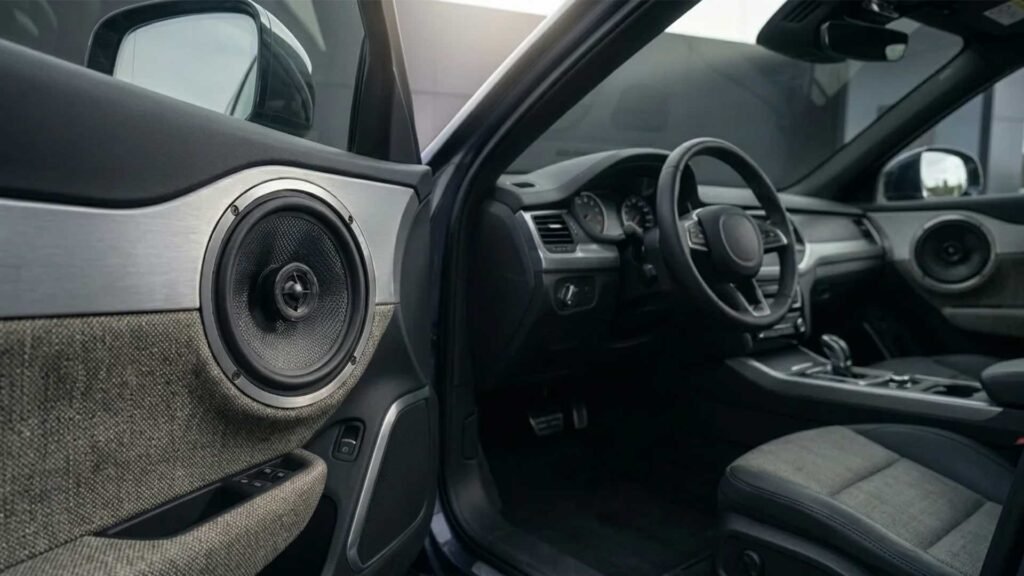
Upgrading your car’s audio system can transform your driving experience. Whether you’re cruising down the highway or stuck in traffic, the quality of your music matters. One of the most popular and cost‑effective upgrades for many drivers is coaxial speakers — versatile, easy to install, and capable of delivering a dramatic improvement over factory sound systems. But with so many options out there, how do you choose the right coaxial speakers for your car?
In this guide, we’ll break down everything you need to know, from basic speaker anatomy to detailed specification comparisons — and help you make the best choice for your unique setup, budget, and listening preferences. We’ll also mention why Phonix understands car audio enthusiasts and how our products fit into this landscape.
What Are Coaxial Speakers?
Before choosing a coaxial speaker, it’s important to understand what makes this type of speaker unique.
Coaxial speakers — sometimes called full‑range speakers — combine multiple drivers (usually a woofer and a tweeter) into a single speaker unit. The tweeter is mounted in the center of the woofer, giving you a “point source” of sound that covers a broad frequency range from lows to highs. This design simplifies installation and often offers better sound quality than standard full‑range speaker cones.
Coaxial vs. Component Speakers
When replacing car speakers, you might come across both coaxial and component speaker systems. Component speakers separate the woofer, tweeter, and often midrange drivers into individual pieces, offering more precise placement and higher fidelity audio. However, coaxial speakers remain the go‑to choice for most everyday upgrades because they’re cheaper, easier to install, and generally deliver great sound for the money — especially when paired with a quality stereo head unit or amplifier.
Choosing the Right Size: Fit Matters
One of the first things you need to consider is speaker size. The physical dimensions of your speakers determine whether they’ll fit properly into your car’s speaker openings.
Common Speaker Sizes
Car coaxial speakers come in several standard sizes:
- 3.5″ / 4″ – Common for older or compact vehicles.
- 5.25″ / 5.25″ x 7″ – Often found in rear decks or smaller door locations.
- 6.5″ – The most popular size for front / rear factory door replacements.
- 6″ x 9″ – Oval design for larger rear decks and high‑output applications.
Matching the size of your new speakers to your car’s existing mounts makes installation easier and ensures the best performance. If the speakers don’t fit perfectly, you may need mounting adapters or custom brackets.
Understanding Key Specifications
When shopping for coaxial speakers, don’t overlook the tech specs. These numbers provide insight into how loud the speakers will play, how much power they can handle, and how balanced their sound output will be.
Power Handling: RMS and Peak
Power handling tells you how much power a speaker can handle without damage:
- RMS (Root Mean Square) — This is the continuous power the speaker can take. It’s the most important number for real‑world performance.
- Peak Power — Maximum power the speaker can handle in short bursts. Useful to know, but less important than RMS.
If your car stereo output is low, look for speakers with moderate RMS ratings that match your system’s capabilities. If you’re planning to add an external amplifier, choose speakers with higher RMS power handling that can handle more juice without distortion.
Sensitivity: How Loud It Plays
Speaker sensitivity is measured in decibels (dB) and indicates how efficiently a speaker converts electrical power into sound. Higher sensitivity ratings (e.g., 90 dB and above) mean the speaker will play louder at a given power level — ideal if your stereo is not very powerful.
Sensitivity is especially important when you’re powering speakers with a factory or stock head unit rather than a powerful aftermarket amp.
Frequency Response
Frequency response tells you the range of sound the speaker can reproduce — from deep bass lows to crisp highs. A wider range typically results in fuller and more balanced sound, though coaxial speakers generally can’t reach the deepest bass (that’s what subwoofers are for). A good range for coaxials might be something like 60 Hz to 20 kHz.
Impedance
Most car speakers have an impedance of 4 ohms, compatible with most car stereos and amplifiers. Be cautious if considering speakers with unusually high or low impedance ratings, as they may impact how power is delivered and can potentially damage equipment if mismatched.
Materials and Build Quality
Not all speakers are built the same. The materials used in speaker components — such as the woofer cone, surround, tweeter dome, and basket — affect durability, efficiency, and sound characteristics.
- Woofer Cones — Materials like polypropylene, mica, or woven fabrics are common. Stiffer and lighter cones generally result in clearer sound and improved bass response.
- Tweeter Materials — Tweeters made of silk or soft synthetic materials yield smoother highs, while metal tweeters offer crisp detail.
- Surround Materials — Rubber surrounds are more durable and can handle more excursion compared to foam surrounds, which may degrade over time.
High‑quality materials matter more when listening at higher volumes or over long periods.
What’s Best for Your Setup
Choosing the most suitable coaxial speaker often comes down to your car audio system and listening goals.
Stock Head Units
If you’re running a factory stereo without an external amplifier, choose speakers with:
- Higher sensitivity ratings.
- RMS power handling that aligns with the stock system.
- A balanced frequency response for everyday listening.
Aftermarket Head Units or Amplified Systems
If you’ve upgraded to an aftermarket head unit with more power or an external amplifier, you can opt for:
- Lower sensitivity speakers with higher RMS ratings (better sound at high volume).
- More robust build materials for longevity.
- Better crossover designs for clearer separation between bass and treble.
Installation Tips
Even the best coaxial speakers won’t sound great if installed incorrectly.
Check Mounting Depth
Make sure the speakers fit without rubbing against the door panel or window mechanism. A deeper magnet structure can improve sound quality, but it needs adequate space.
Wiring and Power
Use quality connectors and clean wiring to avoid signal loss. Secure all connections and avoid exposing wires to moisture or chafing.
Professional Help
If you’re not confident with DIY installs, consider professional installation. Even with plug‑and‑play coaxial speakers, proper wiring and sealing can make a noticeable difference.
Recommended Coaxial Car Speakers
Here are some popular coaxial car speakers that represent a range of options for different budgets and system setups:
Everyday Upgrade Options
- JVC CS‑DF620 6.5″ 2‑Way Coaxial Speakers – Great value pick with solid bass and clear highs.
- Cerwin‑Vega Mobile H7652 HED Series 2‑Way Coaxial Speakers – Punchy performance for a budget‑friendly price.
- Kicker 46CSC54 CS‑Series 5‑1/4″ 2‑Way Coaxials – Ideal for replacing smaller factory speakers with high quality sound.
Mid‑Range & Balanced
- Rockford Fosgate R165X3 3‑Way Car Speakers – Excellent balance of power, clarity, and price.
- Skar Audio TX65 Elite 6.5″ Coaxial Speakers – Strong performance for enthusiasts without needing amplification.
- Memphis Audio SRX62V Street Reference 6.5″ Coaxials – Great street‑tuned speakers with reliable output.
High‑Performance Choices
- Kicker 51KSC6504 6.5″ KS Series Coaxials – Powerful and detailed sound.
- Diamond Audio MS692NEO2 6×9″ 2‑Way Coaxials – Premium large‑format speakers for deep lows and crisp highs.
Each of these models offers unique strengths — from plug‑and‑play simplicity to performance‑oriented sound output.
Why Choose Phonix for Coaxial Speakers
Phonix understands that great sound starts with great design. Our coaxial speaker series is engineered for clarity, durability, and easy installation — perfect for drivers who want a meaningful upgrade without hassle. Whether you’re a seasoned audio enthusiast or installing speakers for the first time, Phonix products offer reliable performance and clean, expressive sound that brings your music to life.
With a commitment to quality and real‑world performance, Phonix coaxials are built to be a robust foundation for any car audio system.
Final Thoughts
Choosing the right coaxial speaker for your car doesn’t have to be confusing. Start with the basics — fit, power handling, sensitivity, and frequency response — then match those specs to your system and listening style.
Coaxial speakers are an excellent way to upgrade from weak factory audio without spending a fortune. With careful selection and installation, you can enjoy more clarity, richer bass, and a more immersive soundtrack for every drive.
Ready to take your car audio to the next level? Explore Phonix’s coaxial speaker lineup and find the best match for your ride.
FAQ
1. What is a coaxial speaker?
A coaxial speaker is a full-range car speaker that combines a woofer and tweeter in a single unit, offering broad frequency coverage and easier installation.
2. How is a coaxial speaker different from a component speaker?
Coaxial speakers combine multiple drivers into one unit, while component speakers separate woofers, tweeters, and crossovers, providing higher fidelity but requiring more complex installation.
3. What size coaxial speaker should I choose for my car?
Choose a speaker size that matches your car’s factory mounts. Common sizes include 5.25″, 6.5″, and 6×9″. Using the correct size ensures proper fit and optimal sound quality.
4. How do I match speakers to my car stereo power?
Check the speaker’s RMS rating and sensitivity. High-sensitivity speakers are ideal for stock stereos, while higher RMS-rated speakers work better with aftermarket head units or amplifiers.
5. What materials make the best coaxial speakers?
Look for durable woofer cones (polypropylene, mica, or woven fabrics), soft or metal tweeters for clear highs, and rubber surrounds for long-lasting performance.
6. Can I install coaxial speakers myself?
Yes, many coaxial speakers are plug-and-play. However, for deeper installations or amplified systems, professional installation ensures correct wiring, fit, and optimal sound performance.